
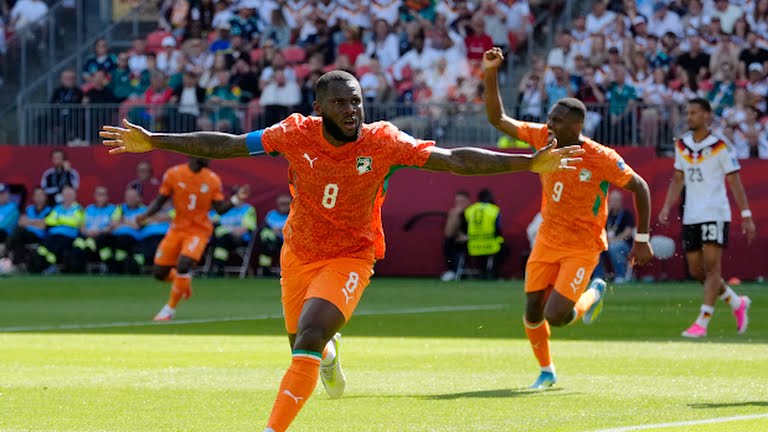
Ivory Coast may have suffered a painful 2-1 defeat to Germany at the FIFA World Cup 2026, but the scoreline alone does not tell the full story. For large portions of the contest in Toronto, Les Éléphants demonstrated why African football continues to command global respect.
The result will show Germany secured qualification to the Round of 32, yet many neutral observers left the stadium believing Ivory Coast deserved far more from a match that was ultimately decided by fine margins.
A Tactical Masterclass for 70 Minutes
From the opening whistle, Ivory Coast displayed discipline, organization, and tactical maturity against one of football’s traditional powerhouses.
While Germany enjoyed more possession early on, Emerse Fae’s men remained compact, denying space between the lines and frustrating the Germans. Every attack was met with aggressive pressing and intelligent defensive positioning.
Goalkeeper Yahia Fofana emerged as one of the game’s standout performers, producing a series of crucial saves to deny Kai Havertz, Jamal Musiala and Joshua Kimmich.
The German attack, which had scored seven goals against Curacao in their previous outing, looked unusually uncomfortable against the Ivorian defensive block.
Kessie Sparks African Dreams
The breakthrough arrived in the 30th minute and it was thoroughly deserved.
A brilliant move down the left flank exposed Germany’s defence before Amad Diallo’s effort was parried by Manuel Neuer. The loose ball fell kindly to Franck Kessie, who made no mistake in blasting home to send the Ivory Coast supporters into wild celebrations.
At that moment, Les Éléphants were not merely competing with Germany—they were beating them.
The goal transformed the contest. Ivory Coast grew in confidence, their passing became sharper, and Germany suddenly appeared vulnerable.
The Missed Moment That Changed Everything
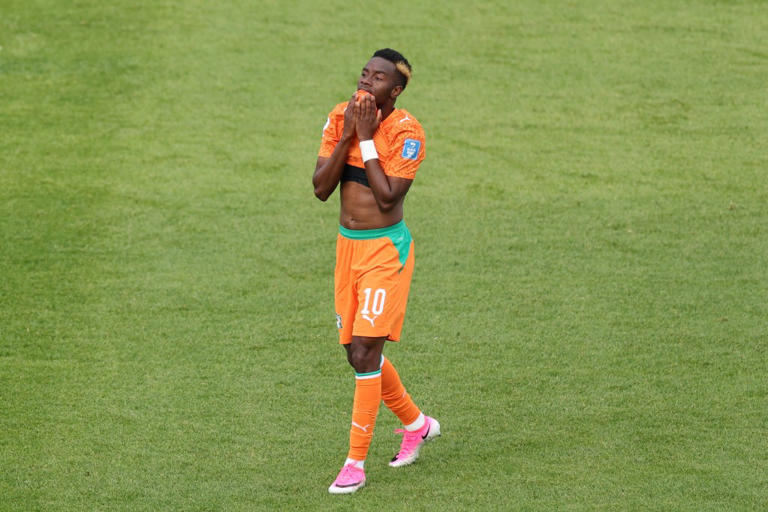
If there is one moment Ivory Coast will replay repeatedly after this match, it arrived in the 88th minute. With the score locked at 1-1, Nicolas Pepe produced a brilliant run before finding Simon Adingra in a promising position. Instead of shooting first time, Adingra attempted an extra touch, allowing German defenders to recover and snuff out the opportunity.
Had that chance been converted, the story would likely have been very different.
World Cup football is often decided by such moments, and unfortunately for Ivory Coast, this was the turning point.
Germany’s Bench Made the Difference
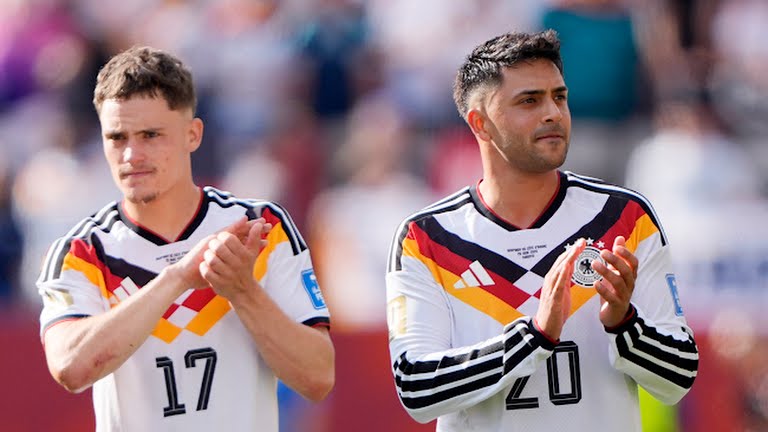
While Ivory Coast impressed with their starting eleven, Germany ultimately benefited from their greater squad depth.
Julian Nagelsmann introduced Deniz Undav, Nadiem Amiri and Jamie Leweling during the second half, and the substitutions completely altered the game’s momentum.
Undav equalized in the 68th minute before striking again deep into stoppage time to complete Germany’s comeback.
The difference was not necessarily quality between the starting teams, it was the ability to call upon fresh international-level talent from the bench.
Fofana’s Heroics Should Not Be Forgotten
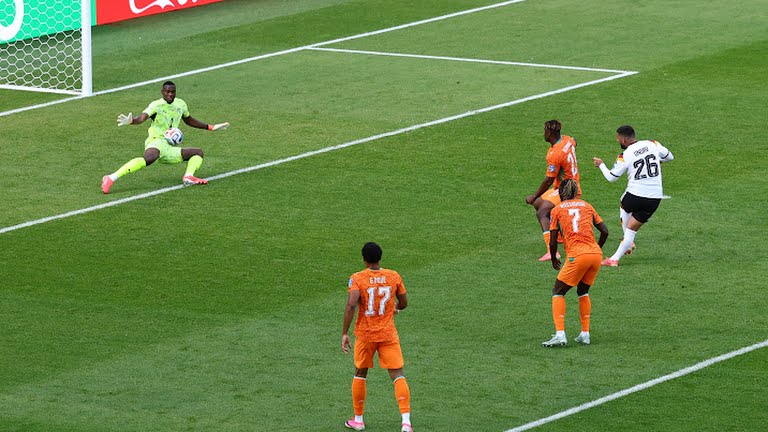
Despite conceding twice, Yahia Fofana delivered one of the finest goalkeeping displays of the tournament so far.
The Ivorian shot-stopper repeatedly frustrated Germany, making crucial saves, commanding his penalty area, and keeping his side in the contest long after the German pressure intensified.
Without his interventions, the match could have been decided much earlier.
What This Means for Ivory Coast
The defeat hurts, but it should not damage the confidence within the Ivorian camp. Against one of Europe’s giants, Les Éléphants showed resilience, technical quality, and tactical intelligence. They proved they belong on the World Cup stage and remain firmly in the race for qualification.
The upcoming clash against Curacao now becomes a must-win encounter, but if Ivory Coast can reproduce the same intensity and courage displayed against Germany, their World Cup journey is far from over.
So, what really happened?
Germany won the match, but Ivory Coast won respect. For nearly 90 minutes, Les Éléphants matched one of football’s biggest nations stride for stride. They defended bravely, attacked fearlessly, and came within moments of claiming one of the tournament’s biggest results.
Football can be cruel, and on this occasion the scoreboard favored Germany.
Yet the performance showed that African football continues to close the gap with the world’s elite—and Ivory Coast remain a team nobody will want to face in the remainder of this World Cup.

