
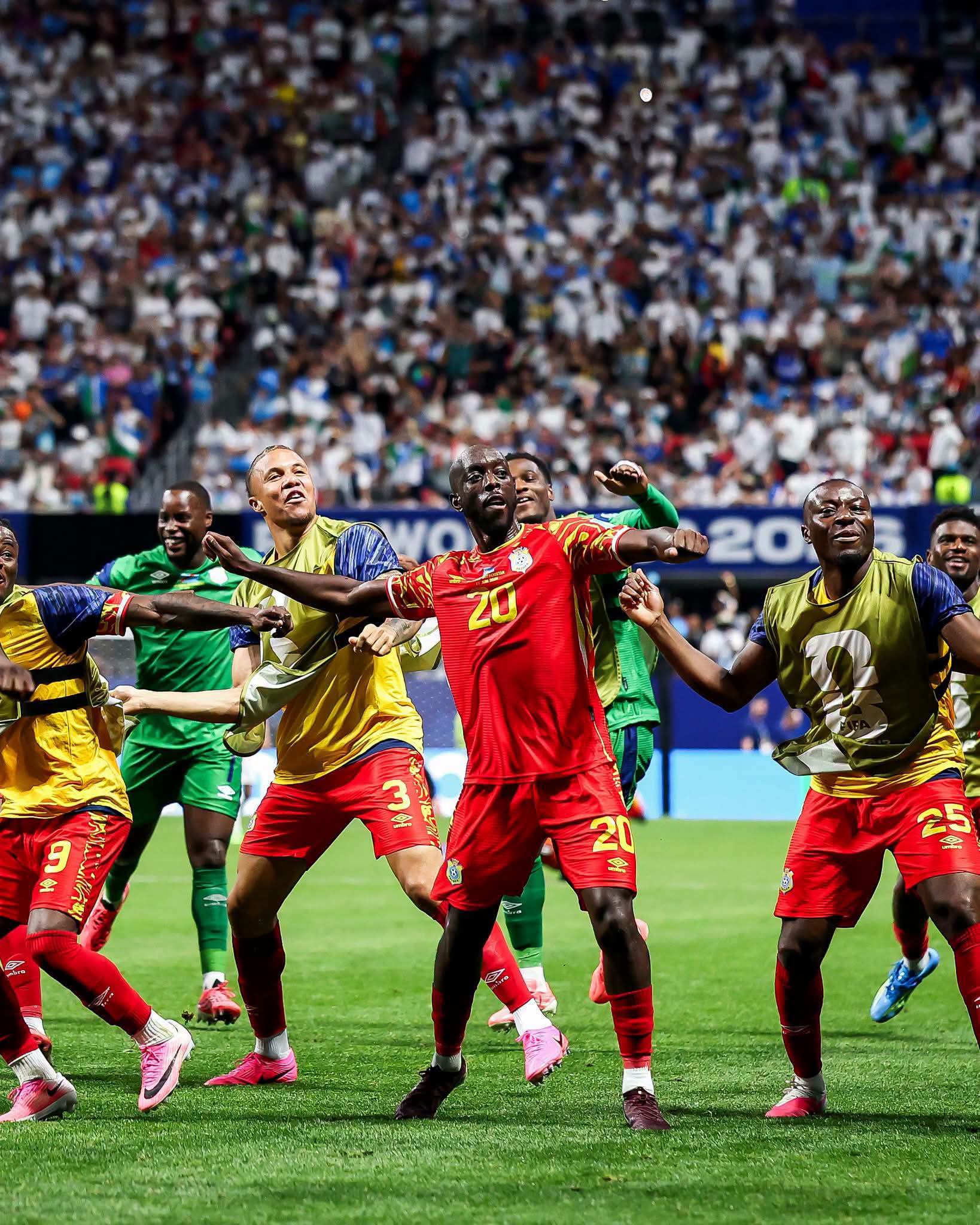
When Gennaro Gattuso argued that Africa deserved fewer World Cup places because the continent’s increased allocation made qualification harder for European nations, the statement sparked widespread debate across the football world.
Months later, the 2026 FIFA World Cup group stage has provided evidence that deserves equal attention.
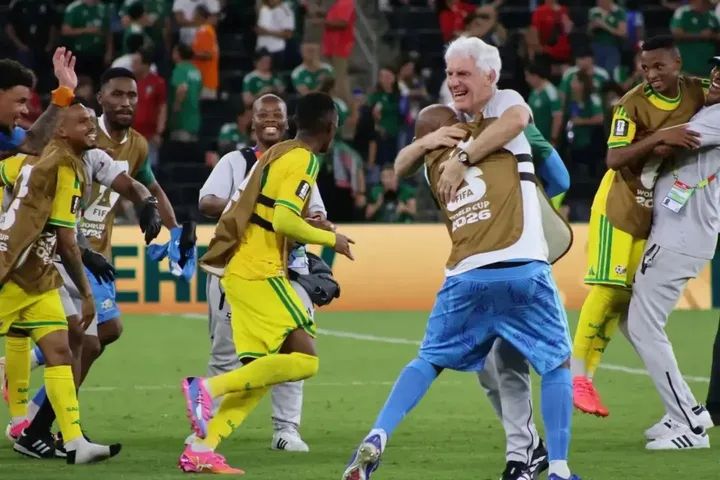
Nine African nations reached the Round of 32, while only one African representative exited in the group stage. By comparison, Europe also saw several of its representatives eliminated before the knockout rounds despite having the largest allocation of tournament places.
Performance, Not Reputation
For decades, African football has often been judged on reputation rather than results.
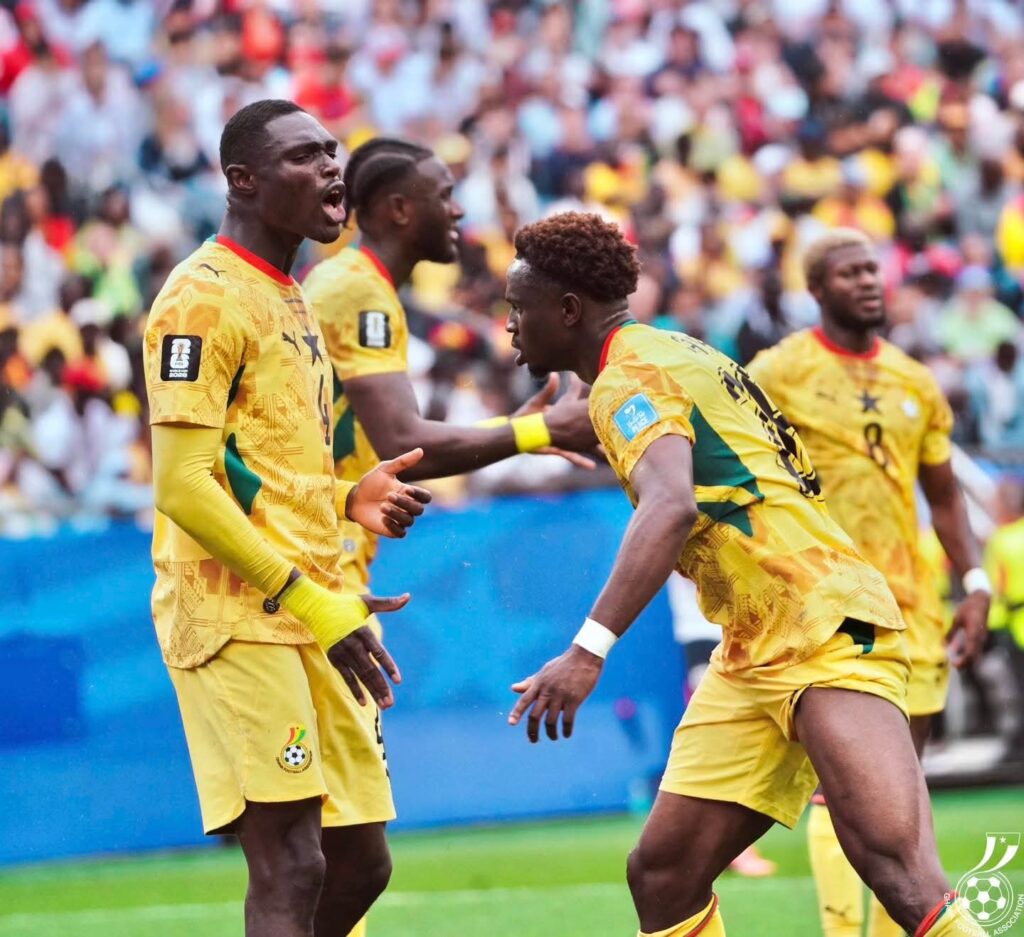
Critics argued that increasing Africa’s World Cup allocation would lower the tournament’s quality. However, the opening phase of the expanded 2026 competition suggests the opposite.
African teams have demonstrated tactical discipline, physical intensity, technical quality and, perhaps most importantly, consistency against opponents from every confederation.
Qualification to the knockout stage is not awarded because of history or sentiment, it is earned on the pitch.
The group-stage standings show that African teams largely did exactly that.
Europe’s Challenges Are Europe’s Responsibility
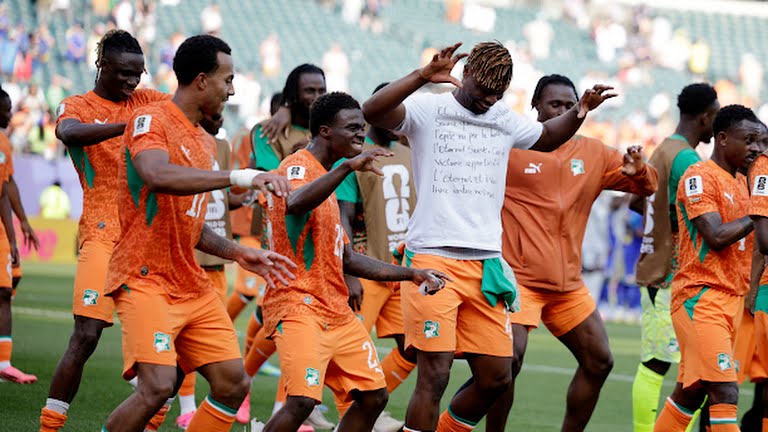
Gattuso’s frustration largely reflected Europe’s increasingly competitive qualification system rather than Africa’s progress. UEFA qualification remains one of the toughest in international football, but that does not mean another confederation should lose opportunities.
If traditional European powers struggle to qualify, the solution lies in improving performances, not reducing opportunities for nations that have earned their places through FIFA’s qualification process.
Football has always rewarded results rather than reputation.
Africa Has Been Building Toward This Moment
Africa’s improvement is not accidental.
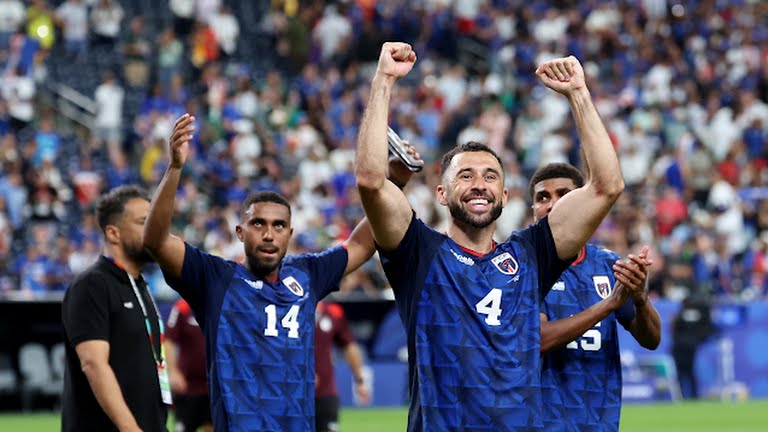
Investment in coaching, youth academies, better domestic leagues, improved sports science and the growing experience of African players competing in Europe’s top leagues have steadily raised the continent’s standard.
The remarkable run by Morocco national football team to the 2022 World Cup semi-finals already demonstrated that African football could compete with the world’s elite.
The 2026 tournament appears to reinforce that message rather than contradict it.
A New Reality
One tournament should never be the sole basis for determining future World Cup allocations. Likewise, one disappointing campaign should not be used to diminish an entire confederation.
However, tournament performance matters. If a confederation consistently proves competitive, its representation becomes easier to justify.
Africa’s strong showing in the 2026 group stage strengthens the argument that the continent’s expanded allocation was based on footballing merit rather than charity.
Conclusion
The debate over World Cup places will continue, as it should. But the strongest arguments are rarely made at press conferences. They are made over 90 minutes on football pitches.
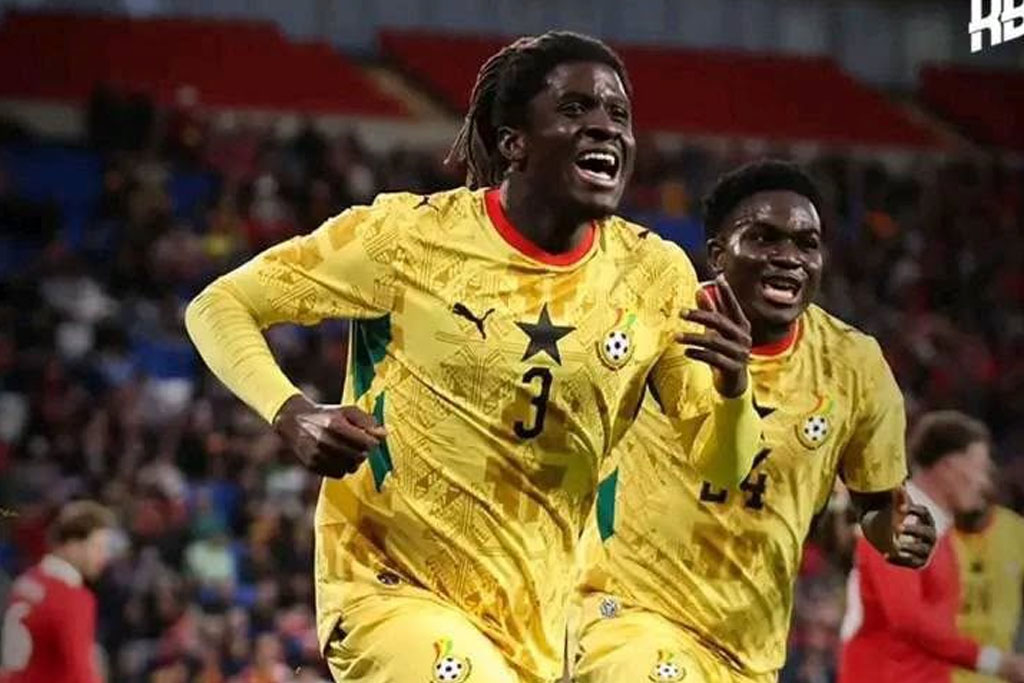
Africa has answered criticism in the most convincing way possible, by winning matches, advancing to the knockout rounds and proving that it belongs among football’s leading continents.
Disclaimer
This article is an opinion piece based on publicly available World Cup group-stage results and commentary. It reflects analysis of tournament performances and does not represent an official position of FIFA or any football governing body. One tournament alone should not be considered definitive evidence for future World Cup slot allocations, but it can provide valuable insight into the competitiveness of participating confederations.

