
Every football region eventually reaches a moment when history and disruption intersect. In East Africa, that moment has arrived — and its name is Nairobi United Football Club.
For decades, Kenyan football’s continental identity has rested on tradition. Gor Mahia, the 1987 African champions, remain the country’s gold standard on the continent. AFC Leopards, Tusker, Sofapaka, Bandari, and Kenya Police have all carried the flag beyond Kenya’s borders, earning respect through qualification, valiant performances, and occasional big nights under African floodlights.
Those efforts matter. They built the pathway.
But in truth, apart from Gor Mahia’s historic continental footprint, Kenyan clubs have often struggled to turn participation into sustained impact. Campaigns ended early, momentum faded, and regional rivals — especially from Tanzania and DR Congo — continued to set the pace in CAF competitions.
Then came Nairobi United.
A Club That Arrived with Intent
Since its takeover by the Johnson Sakaja Foundation in early 2024, Nairobi United has not followed the familiar Kenyan script of gradual ambition and cautious expectation. Instead, it has moved with clarity, urgency, and purpose.
Under the patronage of H.E. Johnson Arthur Sakaja, the steady leadership of Chairman David Njoroge, and the operational sharpness of Osman Khalif, Nairobi United has been built as a modern football institution — not merely a competitive team.
The results have been immediate and emphatic.
In a single calendar year, Nairobi United won the National Super League, lifted the FKF Mozzartbet Cup, and secured a place in the CAF Confederation Cup group stages. Along the way, they eliminated Uganda’s NEC FC, one of the region’s most ambitious projects, signaling that this was not a club content with local relevance alone.
This was East Africa’s new conversation.
Standing Among the Region’s Best
East African football has long leaned on Tanzania’s continental consistency. Clubs like Simba, Young Africans, and Azam have normalized group-stage football and deep CAF runs. DR Congo’s sides remain Africa’s gold standard for structure and continental ambition. Uganda’s clubs continue to push for legitimacy, while teams from Rwanda, Burundi, Somalia, and Djibouti fight courageously against limited resources.
Nairobi United now belongs in that discussion.
Though results in their opening Confederation Cup group matches have been challenging, the club’s presence alone represents progress that Kenyan football has desperately needed. African competition is unforgiving — and Nairobi United is learning fast.
The upcoming CAF Confederation Cup clash against Tanzania’s Azam FC is more than just a fixture. It is a regional test, a cultural event, and a statement match that will capture attention in both Nairobi and Dar es Salaam. Win or lose, Nairobi United has already crossed a psychological barrier: it expects to compete.
Built on Structure, Not Nostalgia
What separates Nairobi United from many past Kenyan continental representatives is not simply ambition — it is structure.
This is a club run with corporate discipline and community purpose. Recruitment is intentional. Player welfare is prioritized. Sports science, scouting, and performance management are treated as essentials, not luxuries. Governance is clear, professional, and transparent.
While many traditional clubs across the region still wrestle with administrative instability and short-term thinking, Nairobi United operates with a long-term African vision. Winning is not treated as a moment; it is treated as a system.
The Club That Owns the City’s Vibe
Perhaps Nairobi United’s most revolutionary achievement has little to do with trophies.
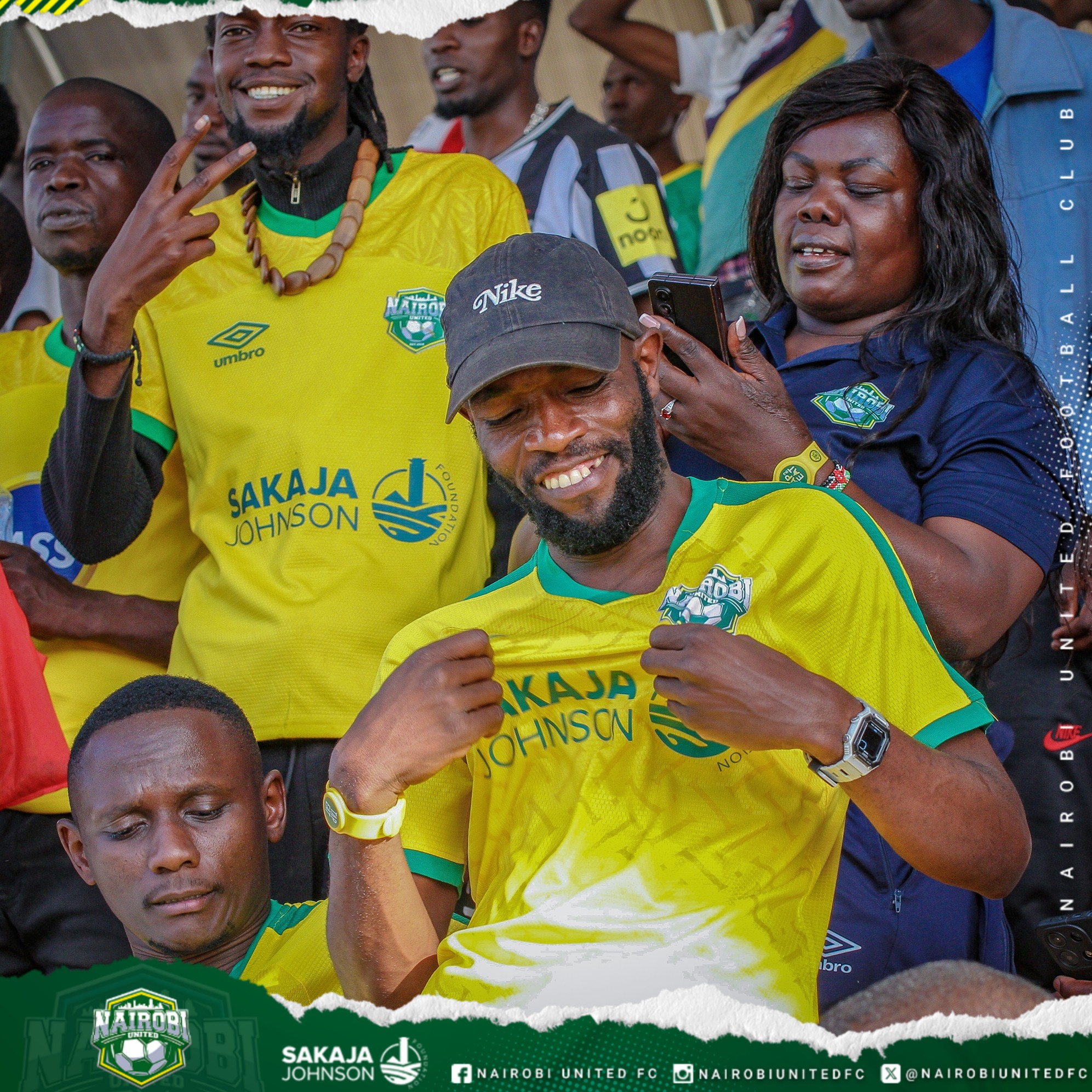
The club has captured Nairobi’s Gen Z in a way Kenyan football has rarely experienced. Young, urban, digital, and unapologetically expressive, the fanbase reflects the city itself. Nairobi United is not inherited loyalty — it is chosen identity.
Matchdays feel like cultural gatherings. Music, fashion, street energy, and football merge seamlessly. Club merchandise has evolved into lifestyle wear, visible on campuses, estates, gyms, and online platforms. Goals don’t just trend — they ripple through timelines, reels, and street debates.
This is how modern football clubs are built: by belonging to their people.
Pushing Beyond Tradition
This is not a rejection of Kenya’s football history. It is its evolution.
Gor Mahia, AFC Leopards, Tusker, Sofapaka, Ulinzi, Bandari, Kenya Police, KCB, and Sharks laid foundations through continental exposure and domestic excellence. Nairobi United stands on that ground — but it looks forward, not backward.
In doing so, it has pushed itself beyond many traditional giants, not just in Kenya but across East Africa, by embracing professionalism, culture, and continental ambition simultaneously.

A New Order Takes Shape
Nairobi United is still young. Its African journey is still being written. Setbacks will come — that is the nature of continental football.
But one thing is already clear: this club is built differently.
In a region defined by tradition, Nairobi United represents the future — a city club with African intent, cultural relevance, and the confidence to challenge the established order.
East Africa is listening.
And Nairobi United is no longer just part of the conversation — it is shaping it.
By Kenn Okaka – Media and Communications Expert
